Strategic Approaches to Age-Related Metabolic Insufficiency and Transition into Dementia Syndrome
Dr. Dennis Turner answers top questions from a recent webinar, "Strategic Approaches to Age-Related Metabolic Insufficiency and Transition into Dementia Syndrome".
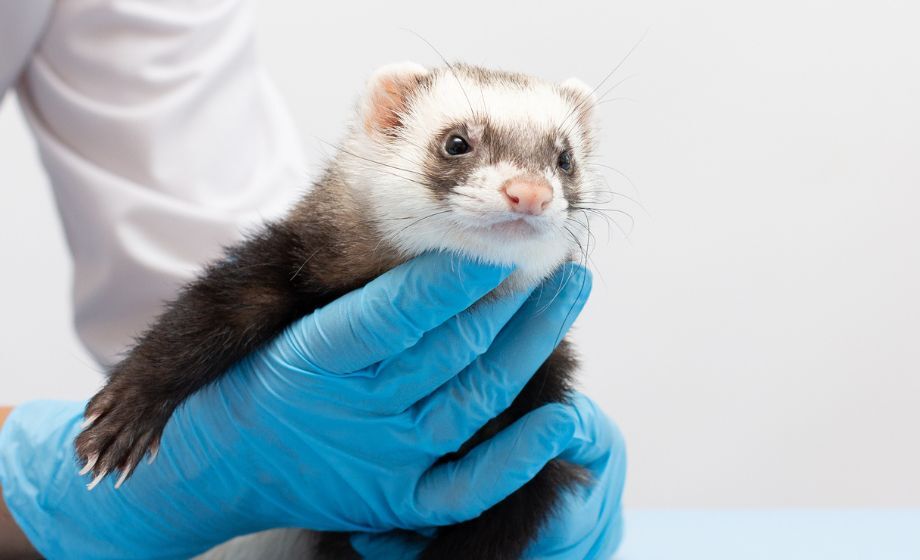
Protocol Preview: a Ferret Model of Respiratory Inflammation
While rodents have long been used to model many human diseases, their anatomical, physiological, and immunological differences from humans cannot be ignored when modeling respiratory inflammation. Recently, Khoury et al. demonstrated how ferrets can be used to model inflammatory respiratory disease and injury, which we review in this blog post.
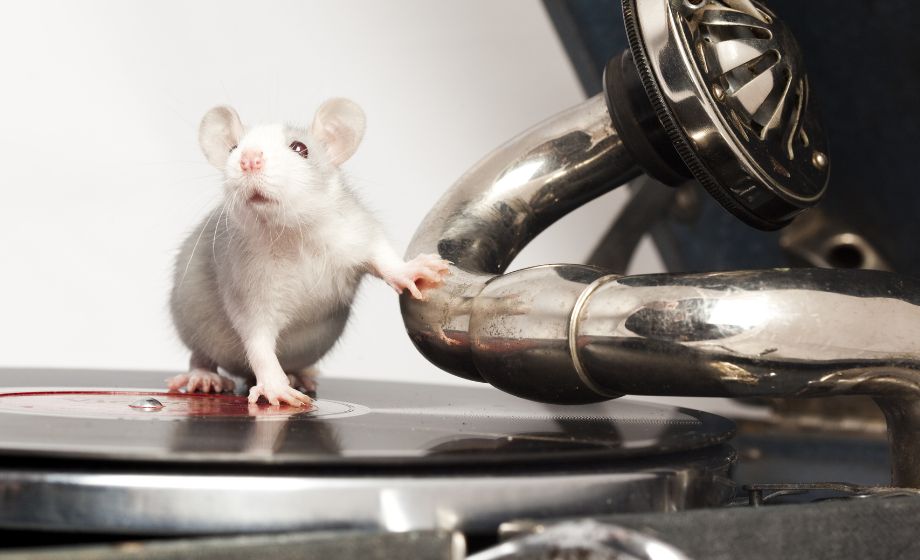
Are They Born This Way? Beat Synchronization in Rats in Response to Lady Gaga, Mozart, and More
Recently, Ito et al. sought to understand beat synchronization in rats and how it compares to humans, which has not been reported to date. In this blog post, we review their findings and how they contribute to our understanding of cross-species beat synchronization.
Industry Insights with Chris Rand from Aurora Scientific
Chris Rand delves into the start and evolution of Aurora Scientific, and their journey within the preclinical research world.
The Future of Muscle Physiology: Student Research at the MHRC
The Muscle Health Research Centre (MHRC) is home to many researchers who push the boundaries of muscle physiology. In this blog post, we summarize an interview with three students from the Muscle Health Research Centre (MHRC) at York University.
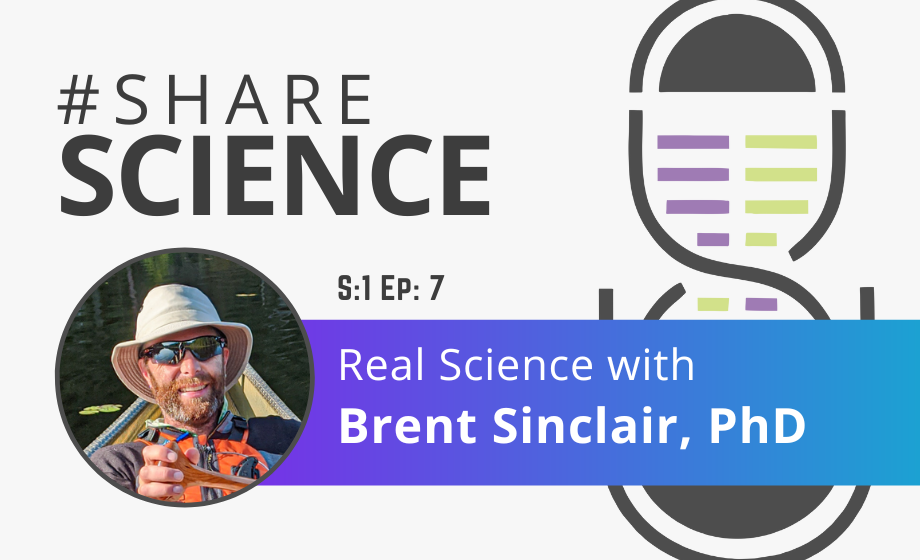
Talking Real Science with Brent Sinclair
This episode of Share Science features Brent Sinclair, PhD, a biology professor at Western University who researches insect thermal biology and organizes career events for graduate students. In this interview, Brent shares why these opportunities are so important for students as they get close to finishing their degrees, as well as his career path and passions in and out of the lab.
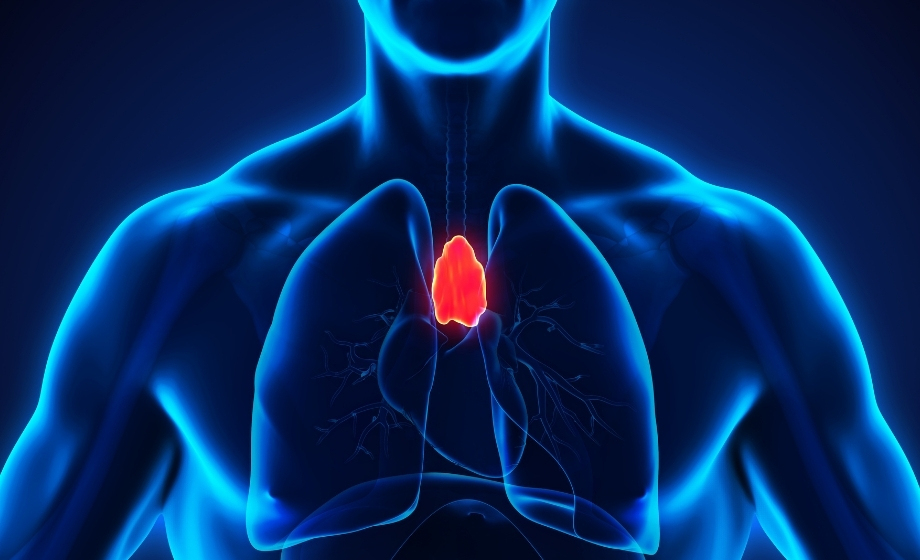
Protocol Preview: Creating an Artificial Human Thymus in Mice
The majority of treatments for immunodeficiencies are temporary fixes, in part due to a lack of preclinical models that can accurately predict immune responses in humans. However, a novel model recently published in Nature Methods has potential to greatly improve future immune response studies, which we review in this blog post.
Muscle Health Research Centre (MHRC)
The Muscle Health Research Centre (MHRC) provides a centralized and focused research emphasis on the importance of skeletal muscle to [...]
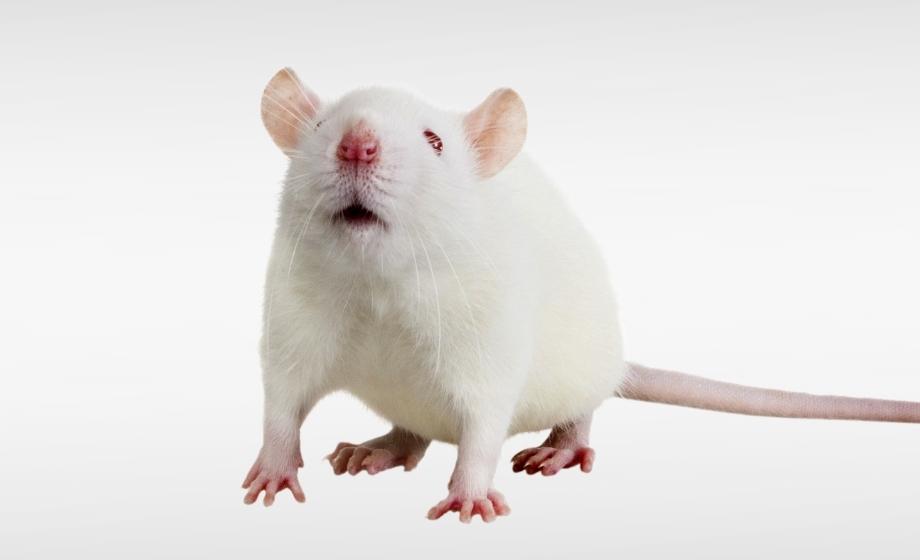
Passive Avoidance Response in Rats: Effects of Handling and Novel Object Recognition
Storing aversive memories is important to survival, but learned avoidance responses decrease over time without reinforcement. Since little is known about the mechanisms behind this process, Bengoetxea de Tena et al. evaluated how naive rats respond to a learning and memory task under fear conditions in a recently published study, which we review in this blog post.
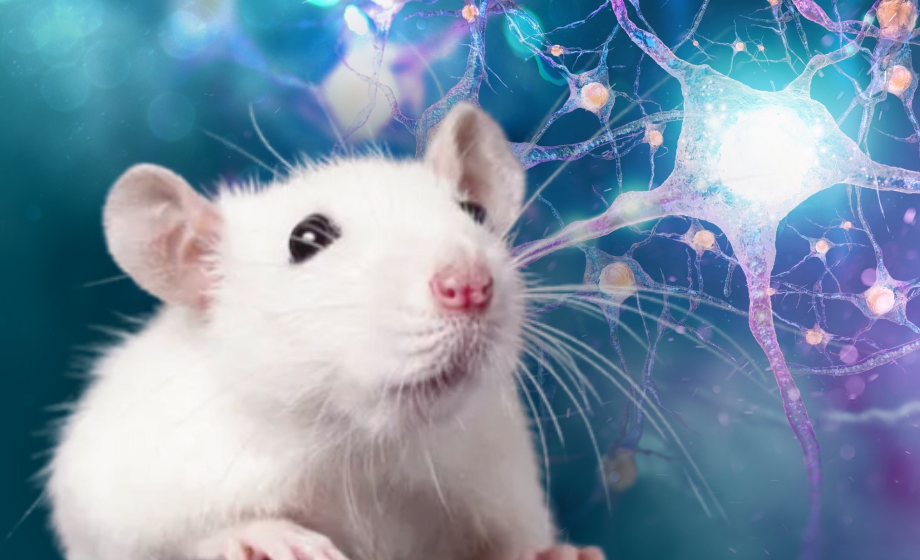
Strategic Approaches to Age-Related Metabolic Insufficiency and Transition into Dementia Syndrome
In this webinar, Dr. Dennis Turner delves into dementia syndrome, the metabolic changes that occur, and the importance of proper physiological monitoring of animal models.

USDA Under Fire for Relaxing Animal Welfare Inspection Standards
Originally posted on Scientist.com, this article references a lawsuit filed by the Harvard Law School Animal Law and Policy Clinic against the United States Department of Agriculture for failing to conduct full annual inspections and highlights the need for an independent, transparent assessment program.
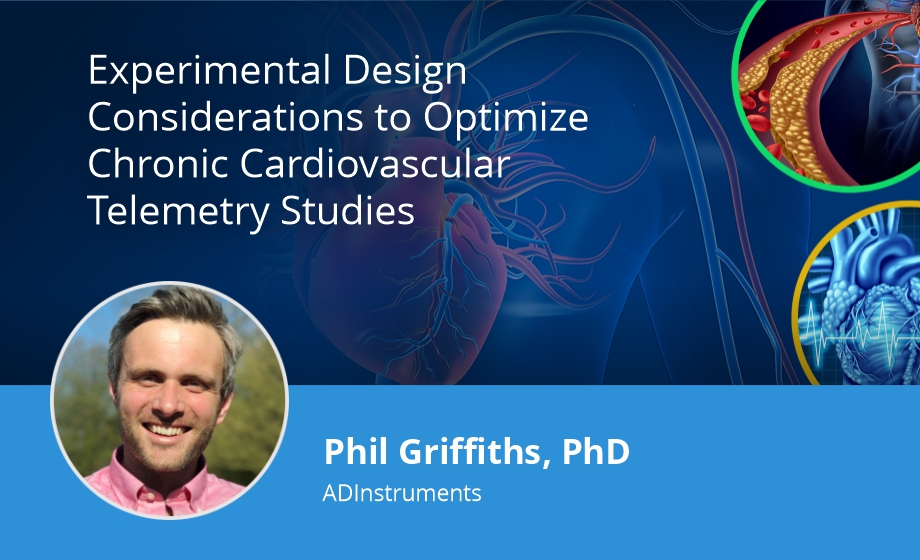
Experimental Design Considerations to Optimize Chronic Cardiovascular Telemetry Studies
Phil Griffiths, PhD, presents a summary of chronic cardiovascular telemetry studies and considerations for experimental design.
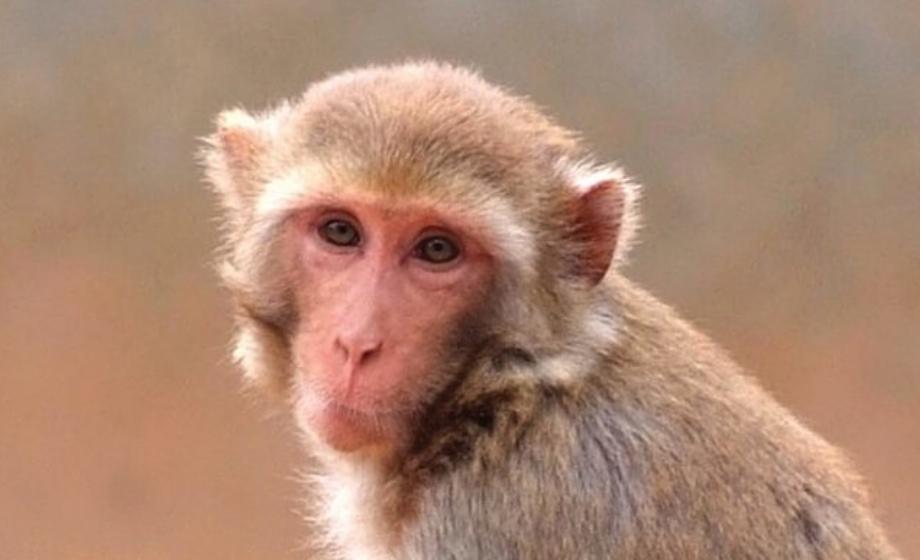
5 Hot Topics in Refinement of Nonhuman Primate Neuroscience Research
Adapted from an article published in Laboratory Animal Science Professional Magazine, this blog entry highlights the importance of nonhuman primates (NHPs) in neuroscience research as well as five recent evidence-based NHP refinement advances in neuroscience.
Fine Tuning Nutrient Intake Timing for Cardiac Health
Martin Young, DPhil, provides answers to the top questions from his presentation on fine tuning nutrient intake timing for cardiac health.
Respiration in Anesthetized Mice: Evidence-Based Recommendations for Improved Monitoring & Supportive Care
Dr. James Marx answers questions from his recent webinar on improving the care and use of mice in biomedical research, with a focus on the effects of anesthetics on respiration.
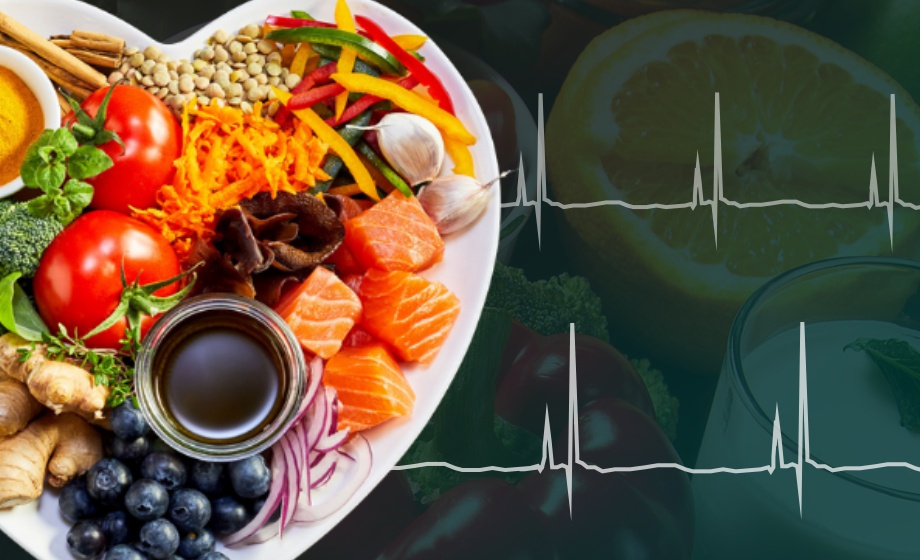
Fine Tuning Nutrient Intake Timing for Cardiac Health
Martin Young discusses 24-hr circadian rhythms that influence processes like metabolism that are critical to cardiovascular function.

Translational Science Panel: Research Insights and Best Practice for Clinical Relevance
Join Aaron Phillips, Fiona McBryde, and Kevin O'Gallagher for a 1-hour Translational Science panel.
IR Photorefraction and IR Photokeratometry – Measuring Refractive State and Corneal Curvature in Animals and Humans
Q&A Report: Expert discusses IR Photorefraction and IR Photokeratometry
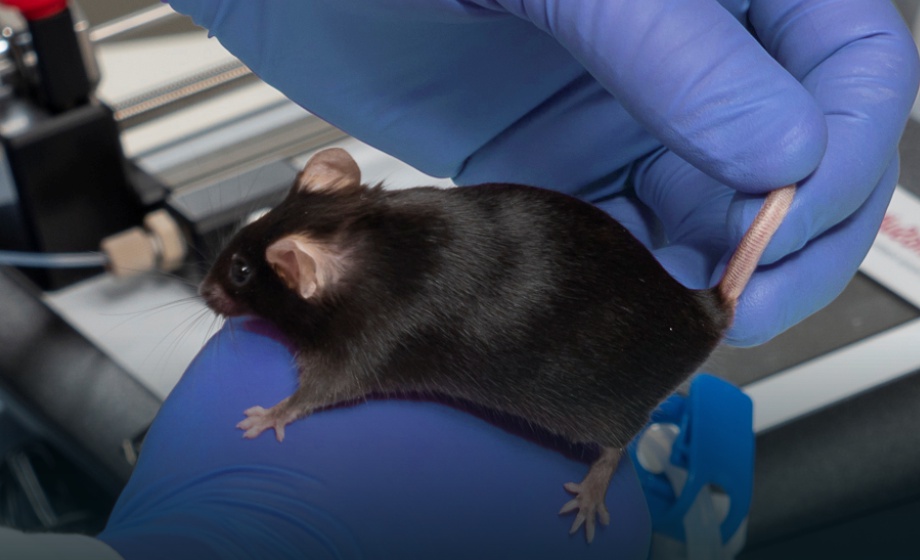
Respiration in Anesthetized Mice: Evidence-Based Recommendations for Improved Monitoring & Supportive Care
Join Dr. James Marx as he discusses improving the care and use of mice in biomedical research, with a focus on the pharmacology behind the effects of anesthetics on respiration.

#ExpertAnswers: Stefano Gaburro and Brun Ulfhake on Aging Science
Join Stefano Gaburro and Brun Ulfhake as they present methods of caged rodent monitoring and better animal welfare that will lead to improved studies of neurodegenerative disease models.
#ExpertAnswers: Xuebin Qin on Inflammation and Immunophysiology
Dr. Xuebin Qin talks about his lab’s development and characterization of new models of SARS-CoV-2 and HIV, and how they use these models to study cardiovascular injury associated with infection.
#ExpertAnswers: Aileen King on Experimental Protocol
Dr. Aileen King discusses how even small changes to experimental protocol can substantially impact both welfare and data interpretation when studying blood glucose homeostasis in mice.

IR Photorefraction and IR Photokeratometry – Measuring Refractive State and Corneal Curvature in Animals and Humans
Prof. Frank Schaeffel discusses the optical principles, image processing algorithms, calibration, and potential pitfalls within IR photorefraction and IR photokeratometry.
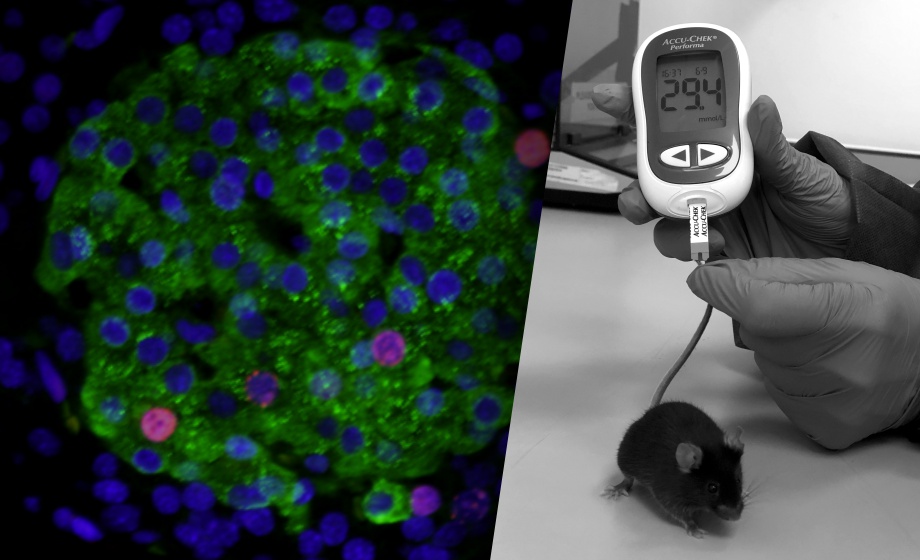
Sex, Drugs and Protocol: How Researcher Choices Impact Experimental Outcomes in Preclinical Diabetes Research
Aileen King presents data showing that small alterations to experimental protocol and choice of model can impact on both welfare and data interpretation when studying blood glucose homeostasis in mice.