Science News, Content, and Resources
Science News

The Link Between Mitochondrial Genetics and Immune Checkpoint Therapy in Melanoma
Discover how mitochondrial genetics influence the effectiveness of immune checkpoint inhibitors in treating melanoma, offering insights for personalized cancer therapies and potential new treatment avenues.
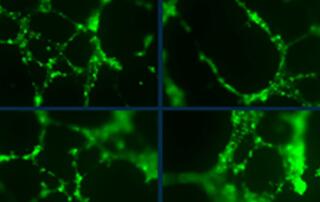
Modeling Angiogenesis in Real Time – A Qualitative, Real-time, In-vitro Tube Formation Assay
Lonza demonstrates the successful development of a tube formation assay using their primary human umbilical vein endothelial cells that can be used to visualize angiogenesis in real-time.

When Smoke Gets in Your Brain: Wildfires and the Lung-Brain Axis
Learn how combustion products from wildfires penetrate the brain, disrupt the blood-brain barrier, and cause persistent inflammation, with researchers also examining the reproductive toxicity and epigenetic risks associated with smoke exposure.

Piezo1 Protein: A Key Player in Gut Motility and Inflammation Regulation
Discover how the Piezo1 protein in intestinal neurons influences gut motility and inflammation, offering new insights and potential therapies for conditions like IBD.

Why Women Experience Higher Rates of Chronic Pain than Men
This study uncovers sex-specific mechanisms of chronic pain, highlighting hormone differences that may lead to more personalized and effective treatments for women.

Matchmaking for Heart Cells – Mechanisms Behind Heart Cell Pairing
Researchers at the NIH have created a 4D brain map using a marmoset model to uncover early lesion development in multiple sclerosis, potentially advancing treatment strategies and understanding of brain injuries.
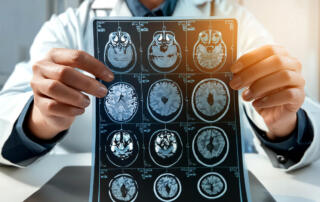
Innovative Brain Map Uncovers Potential Key Players in Multiple Sclerosis Progression
Researchers at the NIH have created a 4D brain map using a marmoset model to uncover early lesion development in multiple sclerosis, potentially advancing treatment strategies and understanding of brain injuries.
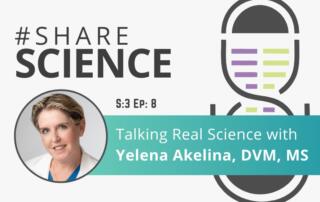
Talking Real Science with Yelena Akelina
This episode of Share Science features Yelena Akelina, DVM, MS, a Research Scientist and a Co-Director/Instructor in Clinical Microsurgery at the Microsurgery Research and Training lab at the Department of Orthopaedic Surgery, Columbia University.

Understanding Sex Differences in Stress Response
This study by UF Health reveals sex-specific differences in stress responses linked to the neurosteroid allopregnanolone, offering insights for developing personalized treatments for stress-related disorders.

New Study into UTI-Induced Bladder Hypersensitivity Offers Hope for Improved Treatments
Discover new research on how urinary tract infections (UTIs) trigger bladder nerve hypersensitivity, causing painful symptoms and frequent urination, and how potential treatment advancements might be on the horizon.
New Insights into Aging: Which Aging Theory Prevails?
Read about groundbreaking research from UC San Diego linking genetic mutations and epigenetic changes, offering new insights into the molecular mechanisms of aging and reshaping future anti-aging strategies.

Xenon Gas: A Promising New Approach for Alzheimer’s Treatment
Discover how xenon gas, traditionally used as an anesthetic, shows promise in treating Alzheimer's disease by activating brain immune cells to reduce plaques and inflammation.

Can Nonagenarians Defy Cardiovascular Risks to Brain Health?
Research from UC Irvine questions traditional views on cardiovascular risks and brain health in individuals 90 and over.
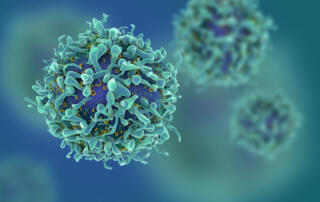
The Impact of Nutrition on T Cell Fate and Exhaustion
Researchers at the Salk Institute have discovered that a switch from acetate to citrate as a nutritional source significantly influences T cell identity, particularly transforming active effector T cells into exhausted ones in chronic infections like cancer and HIV.
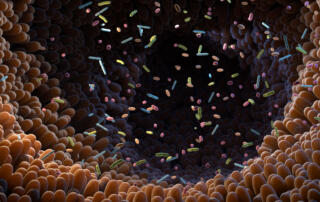
The Complexities and Risks of Microbiome Interventions for Children
Probiotics, touted for their health benefits, are raising FDA safety warnings and concerns about their use in infants, while regulatory challenges similarly impact fecal microbiota transplants (FMT). Consequently, medical professionals urge caution with probiotics and FMT in vulnerable groups, emphasizing potential risks over benefits.